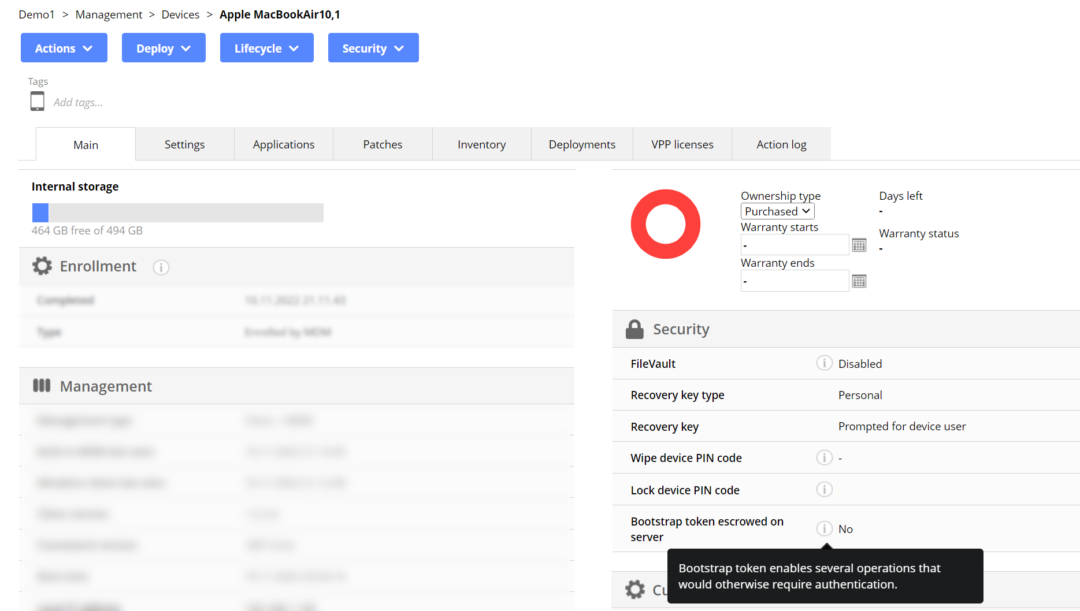
Managing device sign-ins effectively is crucial in today’s digital landscape, especially for platforms like Kiwis Treasure device sign-in management kiwi-treasures.co.nz. This guide dives into the intricacies of device sign-in management, encompassing security measures, user experience, and best practices to enhance operational efficiency. As we explore these topics, we will also touch upon the importance of understanding user behavior and the significance of a robust management system in mitigating security risks while ensuring a smooth user experience.

Understanding Device Sign-in Management
Device sign-in management refers to the processes and systems used to control how users access their accounts and services through various devices. As organizations grow and technology evolves, managing sign-in procedures becomes increasingly complex. The main objectives are to ensure security, streamline access, and facilitate user experience. Effective management can help prevent unauthorized access, enhance portability across devices, and provide users with a seamless interaction with the digital environment.
The Importance of Security
In the realm of device sign-ins, security is paramount. Hackers and malicious entities are always on the lookout for vulnerabilities to exploit. Implementing robust security measures helps protect sensitive information and maintain user trust. Here are some essential practices to consider:
- Multi-Factor Authentication (MFA): Adding an extra layer of security beyond a password ensures that even if a password is compromised, unauthorized users still cannot access the account.
- Regular Password Updates: Encouraging users to update their passwords periodically can help mitigate risks associated with stagnant credentials.
- Monitoring and Alerts: Implementing systems that monitor for unusual sign-in attempts can help identify potential security breaches early.
User Experience Considerations
While robust security measures are critical, they shouldn’t come at the cost of user experience. A seamless sign-in process can significantly enhance user satisfaction and engagement. Consider the following strategies:
- Single Sign-On (SSO): Allowing users to access multiple applications with one set of credentials can simplify the login process and improve user retention.
- Intuitive Interfaces: A user-friendly sign-in interface can reduce confusion and frustration, helping users navigate effortlessly.
- Remember Me Features: Adding features that allow users to stay logged in on trusted devices can enhance convenience without compromising security.
Best Practices for Device Management
Effective device sign-in management requires a strategic approach. Here are some best practices to consider:
- Comprehensive Policy Development: Establish clear guidelines regarding device sign-ins, encapsulating security protocols, user responsibilities, and escalation procedures for security incidents.
- Training and User Education: Regularly educate users about best practices for password security, recognizing phishing attempts, and the importance of security protocols.
- Regular Audits: Conduct periodic audits of access logs and sign-in activities to identify patterns, unauthorized access attempts, or other security concerns.
Utilizing Technology for Enhanced Management
In today’s digital age, leveraging technology can significantly improve device sign-in management. Implementing sophisticated software tools can streamline operations and bolster security. Here are some technologies to consider:

- Identity and Access Management (IAM): IAM solutions can help manage user identities and permissions across various platforms, ensuring that only authorized users access sensitive data.
- Behavioral Analytics: Utilizing analytics tools can provide insights into user behavior, helping to recognize patterns and identify potential security risks based on deviations from the norm.
- Artificial Intelligence (AI): AI can help automate certain aspects of device sign-in management, such as detecting anomalies or sending alerts regarding suspicious activities.
The Role of Compliance and Regulatory Considerations
Compliance with regulatory frameworks is critical when managing device sign-ins, especially for organizations handling sensitive data. Regulations such as GDPR, HIPAA, and others dictate how data should be protected. Here are some key considerations:
- Data Minimization: Only collect and manage data that is necessary for the sign-in process, reducing the risk of sensitive information exposure.
- User Consent: Ensure users are informed about how their data will be used in the sign-in process, and obtain their consent before data collection.
- Incident Response Plans: Develop and maintain a comprehensive incident response plan to address potential data breaches and ensure compliance with regulatory requirements.
Conclusion
Device sign-in management is a critical aspect of maintaining both security and user experience in today’s digital world. By understanding the importance of security measures, enhancing user experience, and adhering to best practices, organizations can develop a robust management system that effectively protects their data while providing users with a seamless experience. As technology continues to evolve, staying informed and adapting to new challenges will be key to successful device sign-in management.
For more information on enhancing your device management strategies, visit kiwi-treasures.co.nz.