Non-Governmental Organizations (NGOs) play a crucial role in the social and economic landscape of Vanuatu. These organizations are designed to address various issues that affect the community, from poverty alleviation to education reforms. One such NGO is vanuatu ngo opedvanuatu, which focuses on community empowerment and sustainability initiatives.
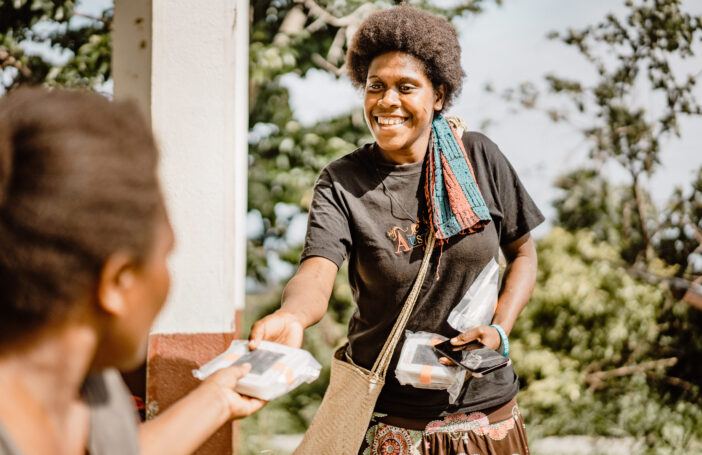
Understanding NGOs in Vanuatu
Vanuatu is an archipelago nation located in the South Pacific Ocean, known for its stunning natural beauty and rich cultural heritage. However, like many small island developing states, Vanuatu faces a multitude of challenges. These range from environmental vulnerabilities and economic dependency on tourism to social issues such as limited access to healthcare and education.
The existence of NGOs in Vanuatu is essential as they provide much-needed support and resources to local communities. They often focus on areas such as environmental protection, women’s rights, disaster recovery, and improving educational outcomes.
The Contributions of NGOs
NGOs in Vanuatu have been pivotal in implementing successful community programs. They often operate in partnerships with local government bodies, international organizations, and donors to create a synergistic approach toward development. Some key areas of focus include:
- Education: Many NGOs work tirelessly to improve access to quality education in rural and remote areas. They provide resources, training for teachers, and facilitate community involvement in schools to ensure that children receive a holistic education.
- Healthcare: NGOs also play an important role in healthcare delivery, particularly in remote areas where government infrastructure is lacking. They provide medical services, health education, and awareness campaigns focusing on maternal and child health, nutrition, and disease prevention.
- Women’s Empowerment: Empowering women is a vital part of the work that NGOs do in Vanuatu. Programs aimed at economic independence, leadership training, and rights awareness help to create a more equitable society.
- Environmental Conservation: Given Vanuatu’s vulnerability to climate change, many NGOs are engaged in projects aimed at protecting the environment. This includes reforestation, sustainable agricultural practices, and conservation of marine life, ensuring that the country’s natural beauty is preserved for future generations.
- Disaster Preparedness: With the country prone to natural disasters such as cyclones and earthquakes, NGOs also focus on disaster risk reduction strategies. They provide training and resources to help communities prepare for and respond to disasters effectively.
Challenges Faced by NGOs
While NGOs in Vanuatu have made significant strides, they also face numerous challenges. Funding is one of the major constraints, as many rely on donations and grants from international partners. The competitive nature of securing these funds can hinder their ability to deliver or expand services.
Furthermore, the geographical distribution of islands presents logistical challenges in reaching isolated communities. Maintaining consistent engagement and support in these areas requires innovative strategies and partnerships.
Additionally, the need for capacity building among local staff is imperative. Many organizations emphasize training and developing local talent to ensure the sustainability of their programs and to empower communities in the long run.
Success Stories
Numerous success stories exemplify the effectiveness of NGOs in Vanuatu. For instance, Project Education Vanuatu (PEV) has made significant advancements in improving literacy rates among children. Their programs focus on community involvement, ensuring that parents are engaged in their children’s education.
Another notable initiative is the work done by the Vanuatu Women’s Centre (VWC), which provides vital support for survivors of domestic violence. Through legal aid, counseling, and community workshops, they have created a safer environment for many women and children in Vanuatu.
Environmental NGOs like the Vanuatu Environmental Science Society (VESS) have successfully engaged communities in sustainability practices, allowing individuals to become stewards of their local environment. Through these programs, they have seen increased awareness and active participation in conservation efforts.
The Future of NGOs in Vanuatu
The future of NGOs in Vanuatu looks hopeful, with increased recognition of their role in sustainable development. Collaborations with the government and private sector create opportunities for broader outreach and impact.

Furthermore, as global attention continues to focus on climate change and social justice, NGOs in Vanuatu are well-positioned to advocate for policies and practices that align with these critical global challenges.
Investing in local talent and capacity-building initiatives is crucial for fostering long-term sustainability. Empowered local leaders and organizations can effectively address the unique challenges faced by their communities and create a more resilient society.
Conclusion
In conclusion, NGOs in Vanuatu are fundamental to the country’s progress and development. They work tirelessly to uplift communities, bring about positive change, and drive sustainable development across the region. Continued support and collaboration will enable these organizations to expand their impact and ensure a better future for all citizens of Vanuatu.